
May 31, 2026


Global B2B supplier of premium natural stone. Sourcing directly from quarries in Turkey, Greece, Italy, Brazil, and India — exporting to 80+ countries for over 25 years
The marble and granite industry has long been a critical contributor to global construction, design, and exports. Today, governments are being urged to take a more proactive role in supporting the growth of this sector—especially in marble-rich countries like Turkey, Greece, and Italy.
Strategic support for the natural stone industry can unlock economic opportunities, increase exports, and drive foreign investment. With the right policies and infrastructure, countries can significantly strengthen their global position in marble and granite exports.
Turkey’s Leadership in Global Marble Exports
According to the Istanbul Mineral Exporters’ Association, Turkey exported over 7.94 million tons of natural stone in 2018—including marble, granite, travertine, and slate—with a total export value of $2.05 billion USD. This achievement positions Turkey as the world’s top exporter of processed and unprocessed marble, ahead of Greece and Italy.
Government-backed incentives, improved mining infrastructure, and export-friendly policies have played a key role in Turkey’s dominance in the international marble market.
Marble in the Middle East: The Case of Masjid al-Haram
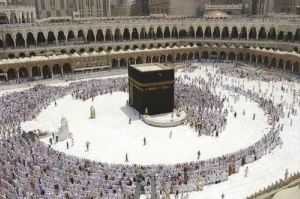
In the Middle East, marble is not just a luxury—it’s a necessity, especially in extreme climates like Saudi Arabia. A remarkable example is the use of Thasos marble in Masjid al-Haram, the Grand Mosque in Makkah.
Despite temperatures exceeding 50°C, the mosque’s floors remain cool. This is thanks to Thasos marble, a high-quality white marble imported from Greece, known for its ability to reflect sunlight and dissipate heat.
According to the General Presidency for the Affairs of the Two Holy Mosques, the decision to use Thasos marble was made to ensure comfort and safety for millions of pilgrims performing Hajj and Umrah, especially during the hot summer months.
Final Thoughts
The marble and granite sector represents a powerful economic opportunity when supported by government initiatives and smart policies. With strategic investment, countries like Turkey continue to lead, while others benefit through intelligent import decisions—like Saudi Arabia’s use of Thasos marble for thermal comfort and performance.
As demand for sustainable and climate-responsive stone solutions grows, collaboration between governments, architects, and industry leaders will define the future of the global marble market.


Leave a Comment